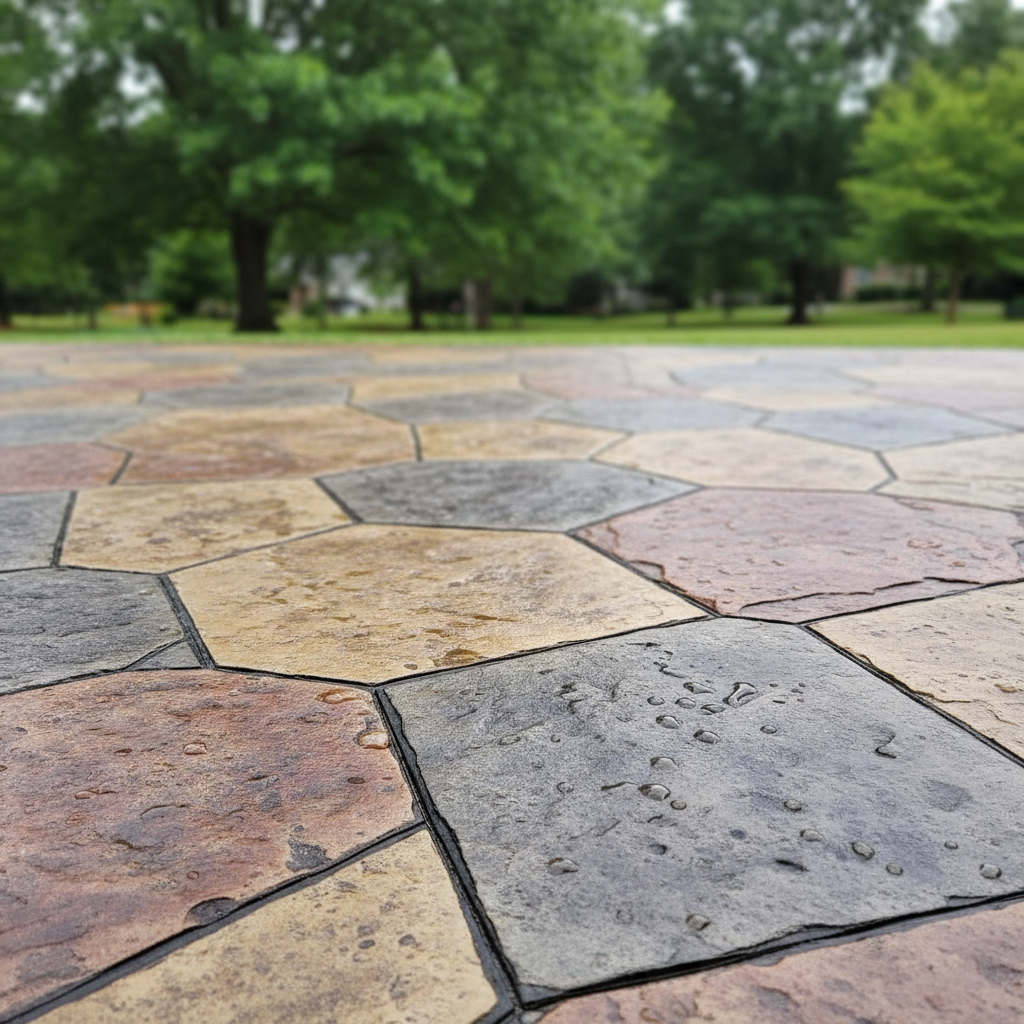
So, you’re thinking about decorative concrete for your place here in Durham. Maybe it’s a new patio, a refreshed walkway, or even an indoor floor. It’s a great choice, honestly. You get durability, low maintenance, and a look that can really make your home stand out. But before you dive in, you gotta know what you’re getting into.
Before You Start: Planning & Expectations
First off, let's clear something up: decorative concrete isn't just plain old gray concrete with a fancy stamp. It's a whole world of options – stamped, stained, polished, overlays, exposed aggregate. Each one gives a different vibe and has its own set of challenges. What are you hoping to achieve? Do you want something that looks like natural stone, old brick, or a sleek modern finish?
Think about where this concrete is going. Is it an outdoor patio that needs to stand up to our Durham summers and occasional winter freezes? Or is it an indoor floor that sees less abuse but needs a perfect finish? The location really dictates the best approach and materials.
Now, about DIY. Some small decorative concrete projects, like a simple stain on an existing, sound slab, might be doable for a handy homeowner. If you're just sprucing up a small, uncracked concrete pad that's already there, and you're comfortable with a sprayer and some basic prep, you could probably handle a concrete stain or sealer refresh. But even then, you need to be meticulous with cleaning and application to avoid blotches and uneven color. This ain't like painting a wall; once it's on, it's on.
During the Project: The Nitty-Gritty
This is where most folks realize decorative concrete isn't a weekend warrior project. If you're talking about pouring new concrete and then stamping or texturing it, that's a whole different ballgame. You're dealing with heavy materials, tight timelines, and specialized tools. Concrete sets fast, especially on a hot Durham day, and if you don't know what you're doing, you'll end up with a mess that's expensive to fix.
Here’s what goes into a professional decorative concrete job:
- Excavation and Base Prep: You need a solid, properly compacted base. If you skimp here, your concrete will crack, no matter how pretty it looks. We've seen plenty of patios in older neighborhoods like Duke Forest or Watts-Hillandale where poor drainage or an unstable base led to major issues down the line.
- Formwork: Getting the forms perfectly level and square is crucial for a good-looking edge.
- Pouring and Finishing: This is where the magic (and the muscle) happens. Spreading, screeding, floating, and then applying the decorative elements like stamps or color hardeners – it's a race against time and requires a crew that knows how to work together.
- Curing: Proper curing is essential for strength and durability. You can't just pour it and forget it.
Trying to rent all the specialized tools – the power trowels, the stamps, the texture skins – and then learning how to use them on the fly for your first big project? That’s a recipe for frustration and a less-than-stellar result. Trust me, I've seen the aftermath.
After the Job: Maintenance & Longevity
Once your decorative concrete is in, whether you did it or we did, you'll want to keep it looking good. Maintenance is pretty straightforward, but it's important. You'll need to clean it regularly – a good sweep and occasional washing with a mild detergent is usually enough. Avoid harsh chemicals or pressure washers that are too strong, as they can damage the sealer or even the concrete surface itself.
The most important maintenance step for decorative concrete is sealing. Most decorative concrete, especially outdoors, needs to be sealed every 2-5 years, depending on traffic and exposure to the elements. That sealer protects the color, prevents stains, and helps resist wear and tear. It’s like sunscreen for your concrete. If you let the sealer wear off completely, your beautiful stamped patio or stained floor will start to fade and show its age pretty quickly.
Resealing is one of those tasks that a homeowner can definitely tackle. It involves a good cleaning, letting it dry completely, and then applying a new coat of sealer with a roller or sprayer. Just make sure you use the right type of sealer for your concrete and follow the manufacturer's instructions to a T. Don't try to seal on a super hot, humid day, or you might end up with a cloudy finish. Pick a mild, dry day, and you'll be golden.
So, what’s the takeaway? For big projects, new pours, or anything involving intricate patterns or multiple colors, you’re almost always better off calling in a professional. We’ve got the experience, the equipment, and the crew to get it done right the first time. For smaller, simpler maintenance tasks like resealing, or a basic stain refresh on an existing, solid slab, you might be able to handle it yourself. Just know your limits, do your research, and don't be afraid to ask for help. That’s what Bull City Concrete is here for.